Source Cycling Shoes for Running, MTB, and Road Use
Explore 30 verified listings for cycling shoes with options for mountain, road, and general riding. Buyers can compare materials like PU and Flyknit, sizes from 36 to 48, and customization features to find suitable suppliers; compare the available evidence and request quotations based on your requirements.
Key considerations
Products List


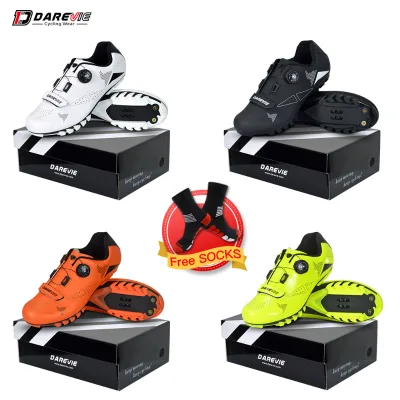


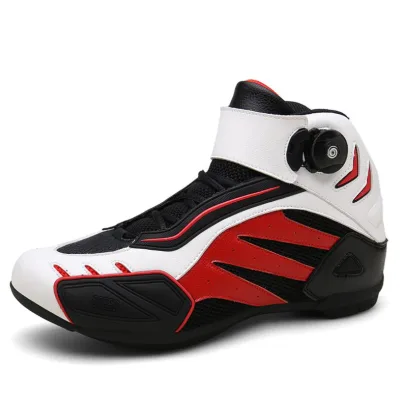
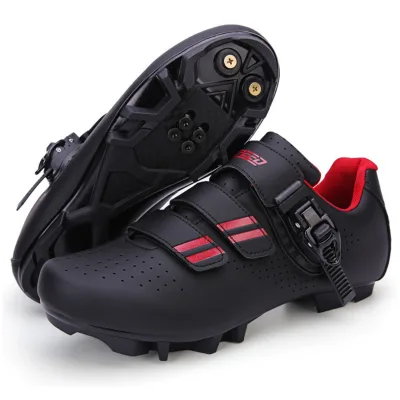


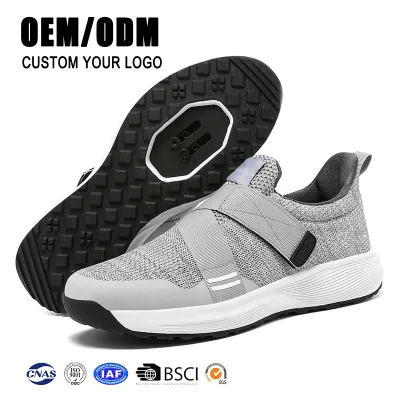
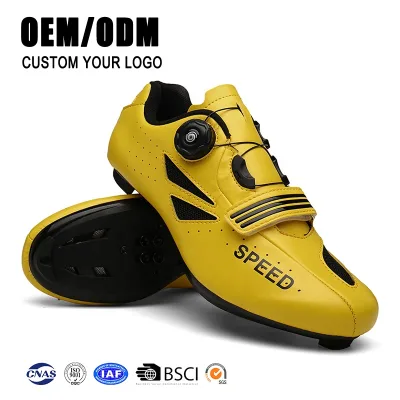
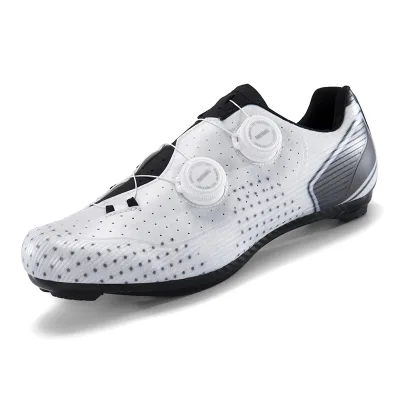
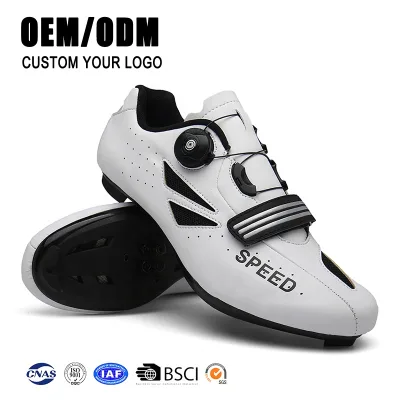


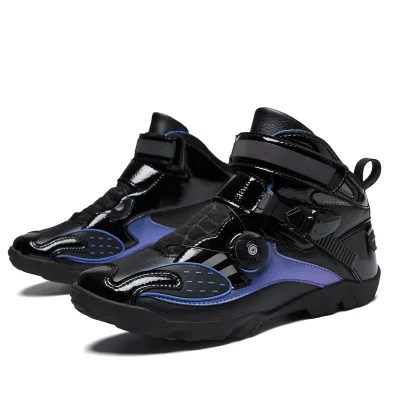
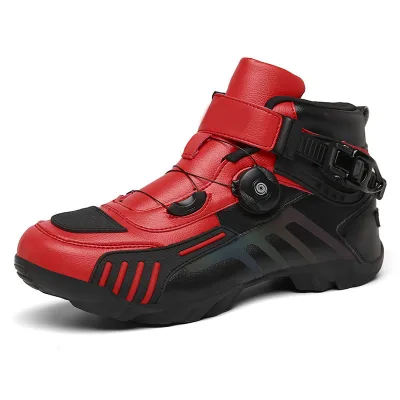
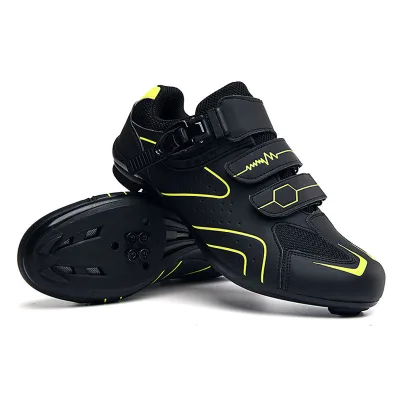
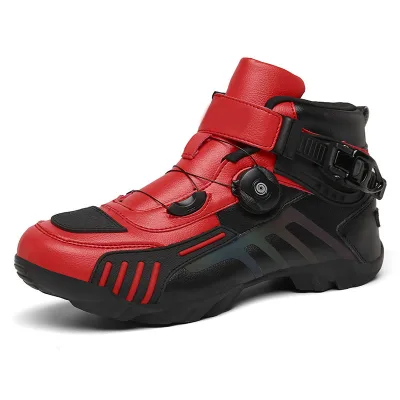
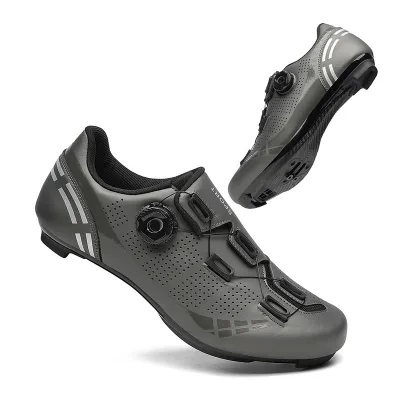

Comprehensive Sourcing Guide
Cycling Shoes Sourcing Guide
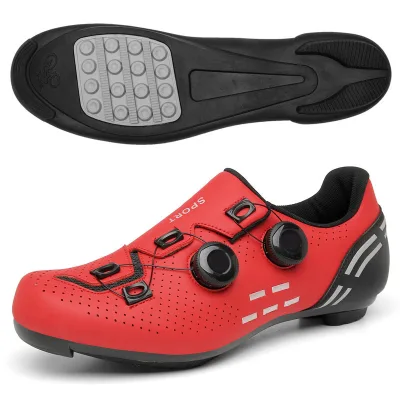
Buyers must first distinguish between general running footwear and specialized cycling equipment, as the supplied data reveals distinct product categories with different performance requirements. The observed listings include items explicitly labeled as running shoes with rubber insoles and PU uppers, alongside dedicated cycling shoes featuring Flyknit materials and specific mountain road usage claims. This distinction is critical because running shoes lack the stiff soles required for efficient power transfer on a bicycle, potentially leading to foot fatigue and reduced performance during extended rides.
Procurement teams should verify that the product type matches the intended sport before proceeding with any order, as the data shows a mix of "Running Shoes" and "Cycling MTB Shoes" in the same search results. While some items are marketed as unisex with customizable logos, others are specified for male users with elastic band closures or lace-up patterns. Understanding these specific design differences ensures that the final selection aligns with the operational needs of the target market, whether for casual road riding or technical mountain biking scenarios.
Product Scope and Observed Listing Signals
The market data indicates a wide variance in material composition, ranging from cotton fabric linings to advanced mesh and Flyknit uppers, which directly impacts breathability and durability. Buyers should note that while some listings specify cotton lining, others utilize mesh or nylon blends, suggesting that thermal regulation capabilities will differ significantly between suppliers. This variation requires careful evaluation of the intended climate and usage intensity, as a cotton-lined shoe may not provide adequate ventilation for high-intensity cycling compared to a mesh or Flyknit alternative.
Price and minimum order quantity signals further define the scope, with observed prices ranging from 4 to 64.34 USD and MOQs varying from single items to 800 units. This broad range suggests a market segment that accommodates both small-scale trial orders and large-volume commercial distribution. Buyers must align their procurement strategy with these commercial terms, recognizing that lower price points often correlate with standard packaging like cartons, while higher-value items may offer custom packaging options such as PVC bags or branded boxes.
Technical Specifications to Verify
Size consistency is a primary technical concern, as the data presents conflicting size ranges including 36-45, 37-47, and specific US size lists like 5 through 12. Buyers must verify that the supplier's size chart aligns with the target market's regional standards, as a mismatch between Chinese size (Cn) and US sizing can lead to high return rates and customer dissatisfaction. The presence of multiple size definitions in the same dataset highlights the need for explicit confirmation of the sizing system used for each specific model number before finalizing an order.
Material specifications for the upper and insole require strict validation to ensure the product meets performance expectations for cycling. The observed data lists insoles made of rubber or EVA, and uppers constructed from PU, synthetic leather, or Flyknit, each offering different levels of support and flexibility. Buyers should request physical samples to test the stiffness of the sole and the durability of the upper material, as these attributes are critical for preventing foot slippage and ensuring long-term wear resistance during active riding.
Compliance and Safety Documentation
While the provided facts do not list specific safety certifications, buyers must assume that footwear intended for sports activities requires adherence to relevant regional safety and quality standards. The absence of explicit certification data in the listing signals necessitates a proactive request for test reports regarding slip resistance, material toxicity, and structural integrity. Without these documents, there is a risk that the products may not meet the legal requirements for importation or sale in certain jurisdictions, potentially leading to customs delays or product recalls.
Quality assurance documentation should also address the manufacturing origin and production standards, as the data points to origins in Fujian and Guangdong, China. Buyers should verify that the supplier maintains a consistent quality control process that matches the "as The Picture" claim often found in listings. This verification is essential to ensure that the physical product matches the marketing images, particularly regarding color accuracy, stitching quality, and the integrity of the customizable logo application.
Cost Drivers and Commercial Terms
The cost structure is heavily influenced by material choices and customization options, with the data showing that logo customization and specific packing requirements are available features. Buyers should anticipate that orders requiring custom logos, specific color combinations like black, white, yellow, or orange, and specialized packaging will incur higher unit costs compared to standard stock items. Understanding these variables allows for more accurate budgeting and helps in negotiating terms that balance cost efficiency with the desired level of product personalization.
Packaging and weight specifications also play a significant role in logistics costs, with single gross weights noted at 1.200 kg and package sizes around 35x25x15 cm. These dimensions and weights must be factored into the total landed cost calculation, as they directly impact shipping expenses and warehouse storage requirements. Buyers should compare the cost implications of different packing methods, such as carton versus PVC bag, to determine the most economical option that still provides adequate protection during transit.
Supplier Qualification and Quality Control
Supplier qualification should focus on verifying the consistency of their production capabilities, especially given the diverse range of models and materials observed in the listings. Buyers need to confirm that the supplier can reliably produce the specific model numbers, such as BS1176 or DVMS001, with the exact material specifications required. This verification process helps mitigate the risk of receiving substandard goods that do not match the agreed-upon technical parameters, ensuring that the supply chain remains stable and reliable.
Quality control protocols must be established to address the variability in product attributes like heel height and closure patterns. Since the data indicates both flat heel heights and various closure types including elastic bands and lace-ups, buyers should implement a rigorous inspection process to ensure each batch meets the specified design requirements. Regular third-party inspections or pre-shipment checks are recommended to validate that the final products adhere to the agreed-upon quality standards and functional specifications.
Long-Term Procurement Checks
Sustainable sourcing requires ongoing monitoring of supplier performance to ensure that quality and delivery timelines remain consistent over time. Buyers should establish key performance indicators that track defect rates, on-time delivery percentages, and responsiveness to customization requests. This long-term monitoring helps identify potential issues early, allowing for corrective actions before they impact the broader supply chain or customer satisfaction levels.
Market trends and product evolution should also be tracked to ensure the procurement strategy remains competitive. As the cycling industry evolves, new materials and designs may emerge that offer superior performance or cost efficiency. Buyers should maintain open communication with suppliers to stay informed about potential upgrades or changes in product lines, ensuring that the sourced footwear continues to meet the changing demands of the market and the expectations of end-users.
FAQs
What materials are used for cycling shoe uppers?
Cycling shoes utilize various upper materials including PU, nylon, PVC, mesh, and flyknit. These materials are selected to balance durability with breathability. Some models feature synthetic leather for structure, while others prioritize lightweight mesh for ventilation during intense rides. The choice depends on the specific sport type and desired comfort level.
Can I customize the logo on my cycling shoes?
Yes, customization is available for cycling shoes. Buyers can request specific logos according to their requirements. This service allows brands to maintain their identity on the footwear. The customization options ensure that the final product aligns with your brand guidelines and marketing needs effectively.
What sizes are available for these cycling shoes?
Sizes typically range from CN 36 to 48, covering US sizes 5 through 12. Specific models may offer ranges like 37-47 or 39-46. Buyers should check the specific model number for exact sizing charts. This wide range ensures a proper fit for various foot shapes and sizes.
Are these cycling shoes waterproof?
No, the cycling shoes are not waterproof. They are designed for general use and may feature breathable materials like mesh. Buyers requiring water resistance should look for specific waterproof models. Standard versions prioritize ventilation and comfort over complete water protection for typical riding conditions.
What is the packaging method for cycling shoes?
Packaging options include carton packing, PVC bags, or boxes. Customization of packaging is also available to meet specific buyer needs. This flexibility helps protect the shoes during shipping and allows for branded retail presentation. The single gross weight is approximately 1.200 kg per item.
Where are these cycling shoes manufactured?
These cycling shoes originate from China, specifically from regions like Fujian and Guangdong. Manufacturers in these areas are known for producing high-quality footwear. Buyers can source directly from these locations to benefit from established supply chains and manufacturing expertise in the region.